So You need to Hire an IC Design Engineer?
IC design engineer recruitment is essential for semiconductor companies, where these engineers drive innovation in the tech that powers modern life.
From smartphone processors to automotive systems, IC design engineers play a key role, making them some of the most in-demand professionals in the industry.
Here’s a comprehensive guide to IC design engineer recruitment, covering everything from skills and academic backgrounds to effective recruitment strategies. Whether you’re new to recruiting IC design engineers or looking to refine your approach, this guide has you covered.
What Does an IC Design Engineer Do?
A good understanding of this role is the first step in successful recruitment. So let’s have a look at what they actually do.
In short, IC design engineers develop the blueprints for integrated circuits (ICs) that enable electronic devices.
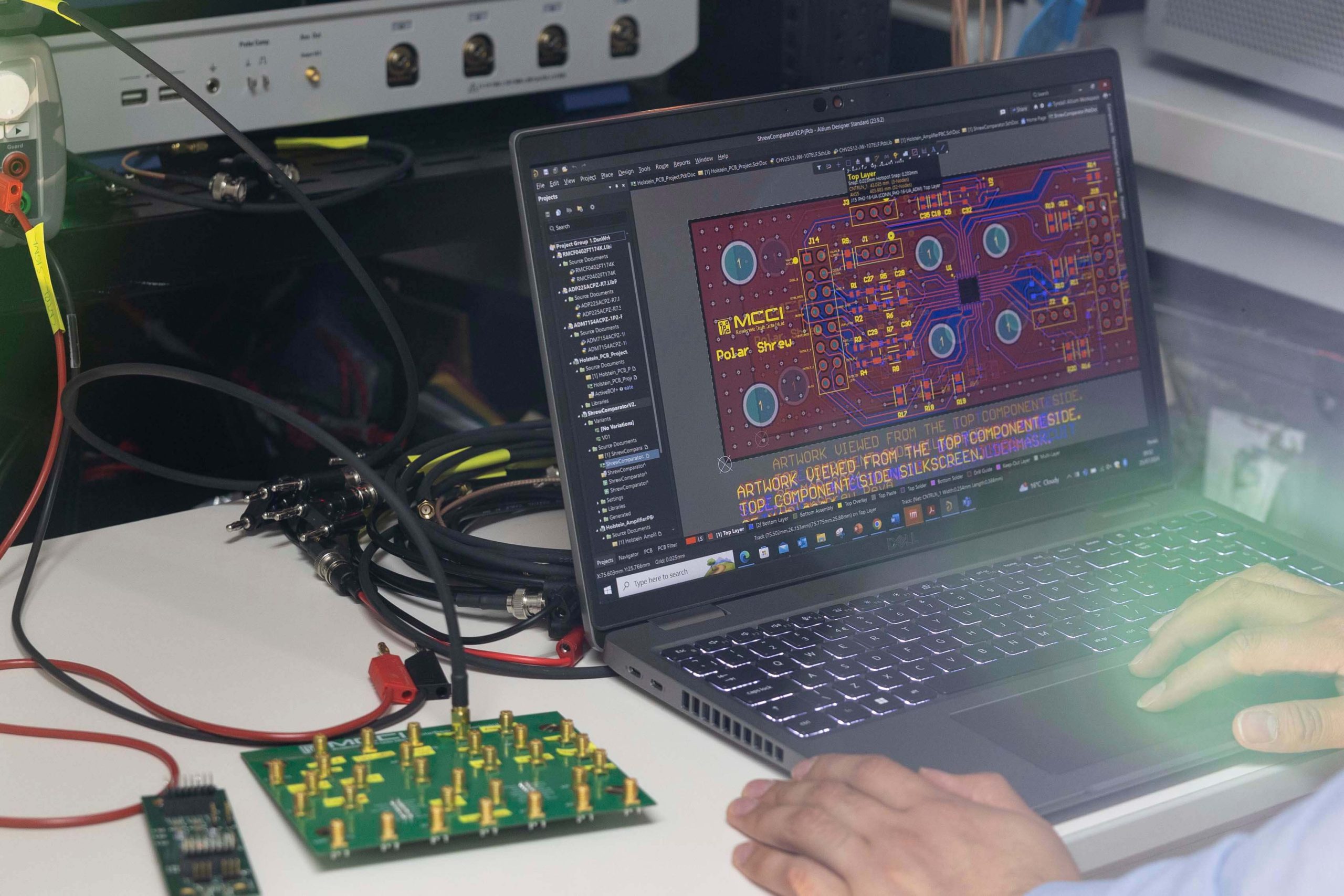
Their work includes planning layouts, testing for efficiency, and refining designs for production. IC design engineers collaborate with verification and physical design engineers, bringing chip designs from concept to reality.
As a recruiter, knowing their technical and collaborative work process helps in identifying candidates candidates who are strong in this field.
Essential Skills for an IC Design Engineer
Recruiting for IC design engineers requires a clear understanding of the essential skills that drive success in this role.
From technical knowledge in circuit design to proficiency in specialised programming languages, these core abilities define a candidate’s capability. Here’s a basic breakdown of the key skills to look for when hiring IC design talent:
Circuit and Logic Design: These engineers ensure their designs function efficiently and accurately.
Programming Languages: Proficiency in Verilog or VHDL is critical for digital IC design and simulation.
EDA Tools: IC design engineers work with specialized tools, like Cadence and Synopsys, for testing and refining designs.
Analytical and Detail-Oriented: Analytical skills are vital for troubleshooting, as even minor design errors can lead to production issues.
These are just the basics, of course, but they offer a solid starting point when recruiting IC design engineers.
Focusing on these core skills helps identify candidates with the foundational expertise needed for the role.
Building on this, you can further assess their potential to succeed in the complexities of IC design.

Academic Background
In my experience with IC design engineer recruitment, a Bachelor’s or Master’s in Electrical Engineering or Computer Engineering is most common.
I sometimes also come across candidates from Physics or Computer Science backgrounds, especially when they specialise in hardware.
Advanced degrees often signal deeper expertise in complex design areas, which can be ideal for more senior roles. Knowing where to look academically helps target the most qualified candidates.
Types of Companies Where IC Design Engineers Work
When you are targeted to recruit IC Design Engineers it is of course key to understand where such engineers work.
I usually focus my search efforts first on these type of companies:
- Fabless Design Companies: Companies like Qualcomm and NVIDIA design chips but outsource manufacturing.
- Foundries: TSMC and GlobalFoundries manufacture chips, often optimizing designs for production.
- Integrated Device Manufacturers (IDMs): Intel and Samsung handle design and manufacturing in-house.
- Consumer Electronics Companies: Apple and Sony create custom chips for their devices.
Knowing these employer types help me tailor my approach, especially if the role requires experience in specific work environments.
You probably noticed that the ones listed are the bigger well known companies. It goes without saying that there are many smaller- and lesser known companies out there that you want be be aware of.
Start by understanding what an IC Engineer does, what key skills they need to have and what type of companies employ them.
Real-Life Project Examples
Before beginning recruitment for engineers, it’s essential to understand the types of projects they typically work on.
Knowing their specific focus areas, from smartphone processors to automotive control chips, can help you identify candidates with the right expertise for your role.
Let’s look at a few examples to see the kind of impact these engineers make in different industries.
- Smartphone Processors:
IC design engineers create chips that boost processing speed, enhance camera functionality, and improve battery efficiency. They ensure these chips are powerful yet compact, fitting the demands of modern smartphones.
- Automotive Control Chips:
IC design engineers design the circuits that power safety features like collision detection, parking sensors, and infotainment systems. They focus on making these chips reliable and able to handle tough conditions on the road.
- Data Center Processors:
IC design engineers develop high-performance chips that process large amounts of data efficiently, crucial for data centers run by companies like Google. They work on optimising these chips for speed and energy use, ensuring smooth operation under heavy workloads.
These examples show the diverse and impactful applications of IC design engineering across the semiconductor industry.
I’m convinced that recognising the scope and specifics of each project type helps in finding candidates with relevant experience, setting the stage for successful hiring in this specialised field.
Key Challenges in IC Design Engineer Recruitment
Recruiting for this position is uniquely challenging, requiring a thoughtful approach to overcome industry-specific obstacles.
From talent scarcity to the need for technical specialisation, each factor influences the strategies necessary to attract the right candidates.
Here’s a look at some of the main hurdles we as recruiters and companies face in this field:
Limited Talent with Niche Experience:
Surely it does not come as a surprise that finding candidates with experience in specialised areas like analog design, high-frequency circuits, or low-power IC design can be challenging, as these skills are highly niche.
This is a challenge we find across the whole spectrum in Semiconductor recruitment.
Longer Recruitment Timelines Resulting in Project Delays:
Due to the narrow pool and high demand, recruiting IC design engineers often takes longer than for other roles, impacting project timelines. A challenge that could easily be overlooked but can significantly delay critical development stages.
High Standards in Design Quality and Precision
IC design requires extreme precision to avoid production issues, so candidates must demonstrate a strong track record in quality and accuracy, which can be difficult to verify.
Attracting Passive Candidates:
Pretty much all experienced IC design engineers are already employed and not actively looking, requiring recruiters to rely heavily on headhunting and passive recruitment tactics.
Knowing these challenges upfront really makes a difference. It helps me set realistic timelines, plan the right resources, and focus on exactly what skills and qualities matter most in candidates.
By being prepared for potential hurdles (like longer hiring timelines or the need for niche expertise) I can manage expectations correctly early on.
Of course, working with a recruitment partner specialised in these kind of semiconductor positions, is an option in case you are not sure how to attract these passive candidates.

What Attracts Strong IC Design Talent?
As mentioned earlier, IC design engineers are highly sought-after professionals who are often already employed.
Making it essential to create a compelling proposition to attract them. Simply listing technical requirements won’t be enough to capture their interest.
A role needs to stand out by offering elements that align with their professional goals and personal values.
To successfully recruit these in-demand engineers, understanding what makes a position truly attractive is crucial.
Having spoken with many IC Design Engineers over the years myself, here are some factors that can help build a role that resonates with them and encourages them to consider new opportunities.
Access to Cutting-Edge Technology
- Opportunities to work with next-gen technologies like AI processors, machine learning integration, or quantum computing applications.
- Access to advanced EDA tools or partnerships with leading tech firms, allowing engineers to experiment and innovate with the latest technology.
Clear Career Development Pathways
- Structured paths for technical and managerial growth, such as promotions to Lead IC Designer, Technical Specialist, or Director of Engineering.
- Mentorship programs and regular technical workshops for continuous skill development, especially in areas like RISC-V or AI-driven design.
Opportunities for Collaboration with Top Talent
- The chance to work in a multi-disciplinary team with experts in semiconductor design, hardware engineering, and software development.
- Cross-functional projects where IC design engineers collaborate closely with product teams, helping bring ideas from design to execution.
Real-World, Impactful Projects
- High-impact projects such as automotive safety chips (e.g., collision avoidance) or environmentally-friendly technology (e.g., energy-efficient processors).
- Involvement in high-profile partnerships or projects with notable clients, showing candidates the real-world outcomes of their work.
By focusing on these elements, we can create a role that resonates with IC design engineers’ professional and personal ambitions, making it far more likely to capture their interest and encourage them to apply.
To Wrap it Up
I hope this post has given you a better idea about this specific semiconductor position.
As we’ve outlined, it’s essential to understand the role itself.
IC design engineers are the architects of the integrated circuits that power countless devices we depend on.
Knowing the essential skills they bring to the table, from circuit design to analytical expertise, is foundational in identifying the right talent.
Likewise, understanding their academic backgrounds and the variety of companies that employ them gives recruiters a solid starting point when searching for these specialised candidates.
Challenges in IC Design Engineer Recruitment
We’ve also explored the types of projects IC design engineers work on, such as smartphone processors, automotive control chips, and data centre processors.
These real-world applications give candidates a sense of purpose, knowing their work has a tangible impact. Acknowledging the key challenges of recruiting for this niche role, such as talent scarcity and passive candidate attraction, helps set realistic expectations for timelines and sourcing strategies.
Finally, we discussed the factors that make a position attractive to IC design engineers .In my experience, when these elements are built into a role, they can significantly increase the chances of attracting top IC design engineers. Even those not actively looking.
My advice?
Take a step back and view recruitment through the lens of what matters to many IC design engineers: purpose, growth, and innovation.
By aligning your approach with their values and professional goals, you’ll be far better positioned to secure the talent needed to drive your company’s next big tech advancements.
If you are interested in anything to do with hiring or careers in the semiconductor space I would love to connect with you on Linkedin here.
Need Help Hiring IC Design Engineers?
Contact Me Here

Claude Loeffen
Semiconductor Headhunter