Key Players in Spain’s Semiconductor Scene
Spain’s semiconductor landscape has grown a lot in recent years. And I’ve been lucky enough to connect directly with several people leading the semiconductor push in Spain.
Over time it became pretty clear to me that there’s a strong drive to make Spain a serious player in this space.
Here’s a breakdown of the most active and relevant industry clusters and associations working across Spain to support semiconductor development.
Industry Associations and Regional Clusters
AESEMI – Spain’s National Semiconductor Association
AESEMI is like the central meeting point for Spain’s chip ecosystem. It brings together companies, universities, and research centers that work in semiconductors.
Their mission is to help these groups collaborate, share knowledge, and promote Spain’s role in the global chip industry.
When I first spoke with people from AESEMI, I got the feeling that they’re not just an association.
They’re trying to build a national movement around semiconductors.
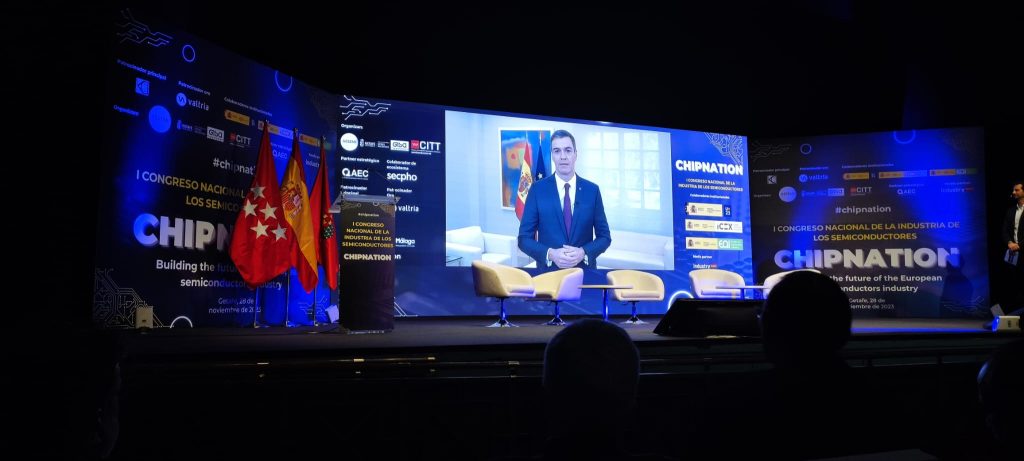
AESEMI also organises the annual Chipnation Congress, which is quickly becoming a key industry event in Spain. It brings together experts, companies, and researchers from across the country to discuss everything from chip design to manufacturing challenges.
Recently, AESEMI hosted an Investor Day in Madrid that brought together startups, investors, and policymakers to explore opportunities in Spain’s growing chip sector. Events like this show how AESEMI is actively working to connect the dots between innovation and investment.
They’re also very engaged with government bodies, helping shape public strategy and making sure the industry’s voice is heard when it comes to national and EU-level decisions around the Chips Act and funding programs.
Valencia Silicon Cluster (VaSiC)
Valencia is becoming a hub for microelectronics and photonics.
The Valencia Silicon Cluster includes local tech companies, research centers, and universities that work on chip design and development.
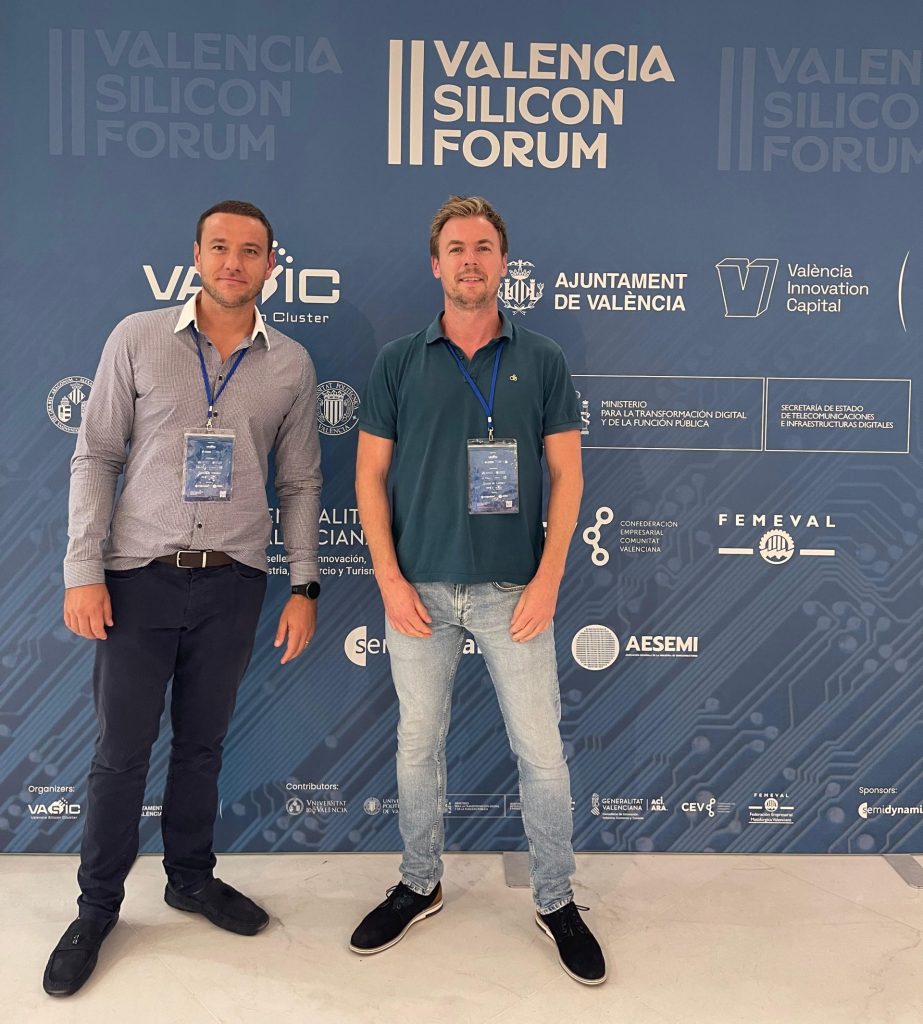
I met some of the VaSiC team during one of their events, and what stood out to me is how focused they are on talent and bringing people together through their yearly Valencia Silicon Forum.
The cluster itself was launched in 2022 and has grown quickly to include more than 25 members, including chip design firms, semiconductor IP companies, photonics labs, and local research universities like Universitat Politècnica de València (UPV).
A good example of regional collaboration is the International Semiconductor Campus in Valencia.
The project brings together research, training, and industry in one place to support chip design and manufacturing. It shows how Spain’s regional clusters are working to build local skills while staying connected to the wider European semiconductor network
A full ecosystem working together
What I find interesting is how closely industry and academia collaborate under this umbrella.
VaSiC isn’t just about startups or large companies, it’s a full ecosystem working together.
Beyond hosting the Valencia Silicon Forum each year, which draws a wide crowd of engineers, students, and policy people, VaSiC is also very active in helping shape Spain’s national chip strategy.
They’ve been in close contact with the team behind the PERTE Chip program and are working to make sure regional hubs like Valencia are considered in national investment plans.
One recent milestone that stood out was their launch of the “Silicon Valencia Talent Alliance,” a local initiative focused on building training programs in chip design and embedded systems, directly tied to the needs of their member companies.
They’ve also supported new European project bids related to photonic and microelectronic integration, which shows how ambitious their roadmap is.
Madrid Semiconductor Cluster (CITT)
The Madrid Semiconductor Cluster (CITT), launched in 2023 by the regional government, is Madrid’s way of putting itself on the chip innovation map.
It brings together key players like universities (UPM, UAM), public research centers (IMDEA Institutes), and a growing number of companies working on chip design, prototyping, and AI hardware.
One thing that stands out about CITT is its focus on R&D-heavy areas of the semiconductor value chain.
So not factories or mass chip production, but everything that happens before and around that: architecture, simulation, materials, and integration.
They’re trying to carve out a niche around high-value design and innovation.
International visibility
The cluster has also been active in bringing international visibility to Madrid’s capabilities. They joined the European Semiconductor Regions Alliance (ESRA), which is a network of regions across Europe working to coordinate regional policies and align with the EU Chips Act.
Madrid’s participation shows they’re not just thinking locally. They want a seat at the table when big EU decisions around semiconductors are being made.
They’ve also hosted events like the Madrid Semiconductor Summit and support initiatives to build local talent pipelines in areas like chip architecture, embedded systems, and quantum hardware.
Overall, CITT is still quite young, but it’s clearly moving fast and positioning Madrid as a serious innovation and design hub in the broader Spanish chip landscape.
Secpho – The Deep Tech Connector
Based in Barcelona, Secpho is a cluster that brings together companies working in deep tech, including photonics, AI, and advanced materials.
While they’re not strictly semiconductor-focused, a lot of their members work on chip-related technologies like photonic chips and advanced sensors.
GAIA and the Basque Microelectronics Hub
In the Basque Country, GAIA runs a tech cluster with over 260 member companies.
They’ve teamed up with the regional government to launch the Basque Microelectronics Hub. This hub supports the development of advanced chips, especially for critical industries like energy, space, and defense.
They’re also active in EU chip programs and have been building some of the first RISC-V based chips in Spain.
Regional Momentum Beyond the Clusters
Beyond the more formalised clusters, several other regions in Spain are building strong semiconductor ecosystems in their own way.
Catalunya
While Catalonia doesn’t have a cluster with a standalone name, it arguably has one of the strongest semiconductor R&D ecosystems in Spain.
Institutions like ICFO, IMB-CNM, and the Barcelona Supercomputing Center are leading EU-funded chip projects.
Andalusia
In Andalusia, the spotlight is on Málaga, where the government is partnering with IMEC to build a major research and innovation hub focused on 300mm chip technologies.
The region is also home to the Ricardo Valle Innovation Institute (Innova IRV), which is coordinating industrial projects tied to the national PERTE Chip program.
Galicia
Meanwhile, Galicia is taking early steps by supporting microelectronics research through local universities and innovation agencies.
One standout initiative is the SPARC project (Semiconductors and Photonics Atlantic Research Center), which aims to establish a semiconductor and photonics foundry and research hub led by the University of Vigo.
Galicia is also exploring its role in the national strategy, especially in fields like power electronics and embedded systems where its industry base has experience.
Canary Islands
Canary Islands are also gaining attention with their CanaryChip initiative.
Backed by the regional government, this strategy is focused on developing optical chip technologies, precision manufacturing, and attracting international investment. The cluster includes companies like Wooptix and AgnosPCB and is supported by research centers and the University of Las Palmas.
These efforts show how regional momentum is growing across the country, even in places without formal cluster names yet.
“Regional clusters and associations give life to the ecosystem locally, but they need more than networks: they need investment, scale and national coordination.
For how Spain is aligning those elements its investment funds, you’ll find a relevant overview here.”
Final Thoughts
All these clusters show that Spain’s semiconductor ecosystem is no longer just a handful of scattered companies.
It’s a growing network of highly organised regions and associations.
From national platforms like AESEMI to emerging regional players in Valencia, Madrid, and even the Canary Islands, each group brings something unique to the table.